


· By seoanalytics analytics
Freeze Dried Turkey Hearts For Dogs: Can Organ Treats Help Picky Dogs Eat Better In 2026?
Picky eating is not rare. In a 2024 survey of pet owners, palatability and “won’t eat” concerns ranked among the most common reasons people switch foods, right behind digestive issues and ingredient worries (Packaged Facts, 2024). That matters more now because 2026 shoppers are choosing cleaner labels, fewer ingredients, and functional nutrition, yet many dogs still turn their noses up.
If you are testing freeze dried turkey hearts for dogs as a high value topper or reward, you are not alone. This guide explains why organ treats can help, when they do not, and how to use them without creating a “treat only” standoff. You will learn vet grounded strategies, portion rules, safety checks, and how turkey hearts freeze-dried dog treats compare with turkey liver snacks for dogs for picky eaters.
Why picky dogs refuse food in the first place?
Picky eating is often a symptom, not a personality trait. Some dogs are true grazers, but many have learned that refusing dinner earns better options. Others are reacting to pain, nausea, stress, or a formula change. In 2026, diet rotation and toppers are more common, which can accidentally train selective eating.
Medical causes you should rule out first
If your dog suddenly becomes picky, treat it like a health signal. Dental disease, GI upset, pancreatitis, arthritis pain, and nausea can all reduce appetite. Periodontal disease is especially common. About 80 percent of dogs show signs of periodontal disease by age three (American Veterinary Dental College, accessed 2025). Mouth pain makes hard kibble unappealing, even if your dog still begs for soft treats.
Call your veterinarian if appetite changes last more than 24 to 48 hours, or if you see vomiting, diarrhea, weight loss, drooling, bad breath, or reluctance to chew. Freeze-dried organ treats can support eating, but they should not mask illness.
Behavioral and environmental triggers
Before you add anything, tighten the basics: set meal times, limit snacks, and store food properly. Then use organ treats strategically, not emotionally.
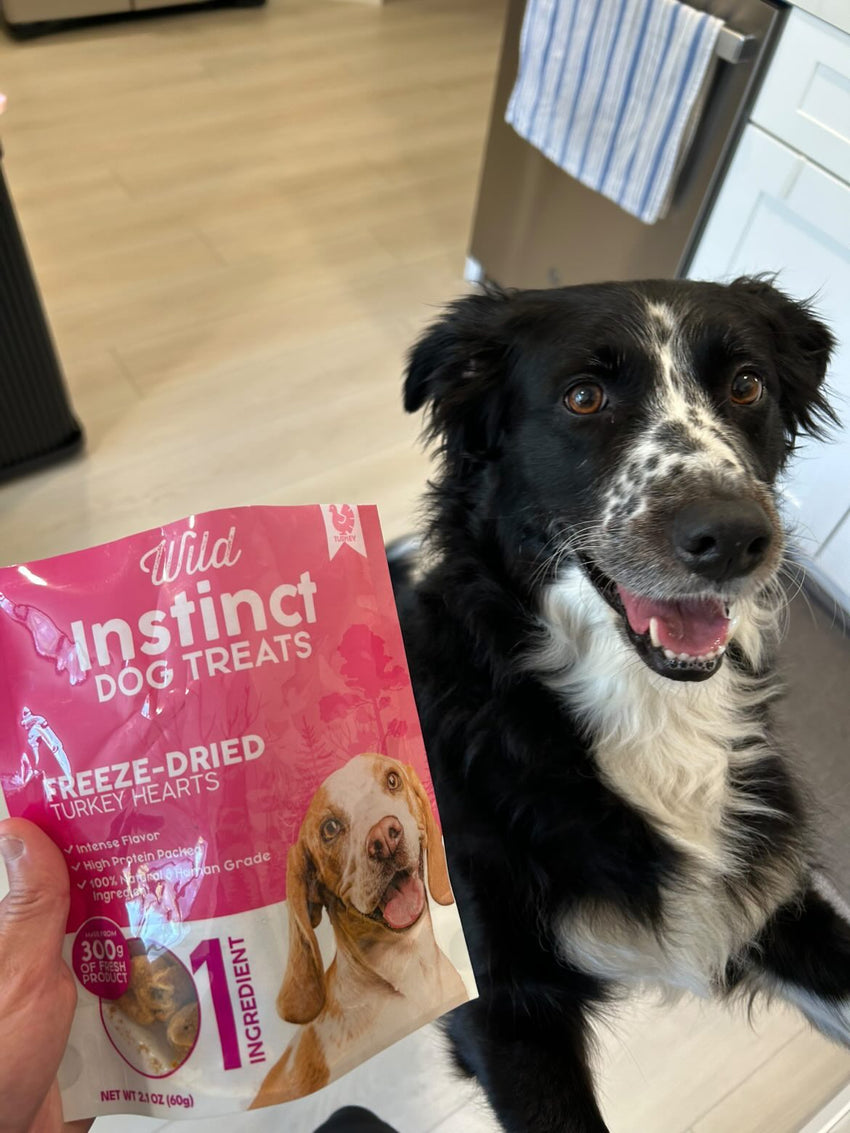
What makes freeze-dried organ treats different for picky eaters?
Organ meats are nutrient dense and naturally aromatic. Freeze-drying removes moisture at low temperature, which helps retain volatile aroma compounds and heat sensitive nutrients better than many high heat processes. That aroma can be the difference between a dog ignoring a bowl and leaning in to investigate.
Palatability: why scent and texture matter
Dogs prioritize smell over taste. Freeze-dried turkey hearts for dogs have a strong meaty odor and a crisp texture that crumbles easily. That makes them useful as:
In practical terms, you are not trying to replace a complete diet with treats. You are using a powerful scent cue to get the first bite. The first bite often creates momentum.
Nutrition density: why organs can help appetite and satisfaction
Turkey hearts are classified as muscle meat, but they behave like organ in the bowl because they are rich, flavorful, and high in key nutrients. They contain taurine and B vitamins, and they provide highly digestible animal protein. Turkey liver snacks for dogs bring even more vitamin A and copper, which is why portion control matters.
One caution: palatability is not always a nutrition problem. If the diet is unbalanced, too high fat for the dog, or irritating to the gut, no topper will fix that long term. Use organs as a tool, then confirm the base diet is appropriate.
Freeze dried turkey hearts for dogs: benefits, best uses, and who should be cautious
Turkey hearts freeze-dried dog treats are popular in 2026 for one reason. They are simple. Single ingredient products fit the clean label trend and help owners manage sensitivities. In 2023, the US pet food market passed 50 billion dollars in sales, with premium and natural claims continuing to outpace conventional growth (American Pet Products Association, 2024). That demand has pushed more brands into single ingredient freeze-dried offerings.
Turkey hearts vs turkey liver snacks for dogs: what to choose and when
Both can help picky dogs eat better, but they solve slightly different problems. Hearts are often easier for daily use. Liver is often more intense, which is useful when appetite is low, but it must be dosed carefully.
|
Option |
Best for picky eater goal |
Key nutrition note |
Portion risk |
|---|---|---|---|
|
Freeze-dried turkey hearts |
Daily topper dust, training rewards, transition support |
High quality animal protein, taurine support, B vitamins |
Moderate calorie creep if used freely |
|
Turkey liver snacks for dogs |
Short term appetite boost, medication hiding, high value lure |
Very nutrient dense, especially vitamin A and copper |
Higher risk if overfed, vitamin A excess over time |


What is changing in 2026: quality, safety, and transparency trends
Freeze-dried is mainstream now. That has raised the bar on quality systems. Brands are investing more in validated kill steps, pathogen testing, and traceability because consumers are asking sharper questions. The FDA continues to emphasize preventive controls under FSMA for animal food, and retailers increasingly expect documented food safety plans for raw and freeze-dried suppliers (FDA, updates through 2024 and ongoing enforcement into 2026).
Trend 1: stronger pathogen controls and testing expectations
Pathogen risk is not theoretical. The CDC estimates 1.35 million Salmonella infections occur each year in the United States (CDC, 2023). Pet treats can be a vector if handled poorly. In 2026, best practice is choosing brands that publish or can provide:
Trend 2: cleaner labels, fewer ingredients, more accountability
Single ingredient claims are popular, but owners now want proof. Transparent sourcing, simple processing explanations, and third-party auditing are becoming differentiators. If a brand cannot answer basic questions about origin, testing, and storage life after opening, treat that as a red flag.
Trend 3: functional feeding without “miracle” claims
In 2026, shoppers want functional benefits, but regulators and platforms are stricter on unsupported claims. The most credible messaging stays grounded: organ treats can improve palatability, help training, and support enrichment. They are not a cure for chronic disease.
Safety, portioning, and quality checklist for organ treats
Organ treats should be clean, consistent, and easy to portion. Your checklist protects your dog and your household. It also helps you choose products that fit a picky eater plan, not a hype cycle.
Portioning guidelines that prevent imbalance
Start small. For most dogs, one to three small pieces of freeze-dried heart used as crumbles can be enough to scent a meal. Keep treats under 10 percent of daily calories (WSAVA Global Nutrition Committee, 2020). If your dog gains weight, reduce treats first before you change the base diet.
Handling and storage best practices
If your dog is immune compromised or on chemotherapy meds, ask your veterinarian whether freeze-dried animal products are appropriate in your household.


Conclusion
Picky eating can feel personal, but it is usually solvable with structure and smart incentives. Freeze-dried organ treats can be a simple lever because they speak your dog’s oldest language: scent, meat, reward.
If you want a cleaner approach to better meals, start with one product and one plan for seven days. Then adjust based on results, not hope.
Wild Instinct Pet believes picky eating deserves a nature-driven solution backed by veterinary common sense. If you want help choosing the right freeze-dried organ treat or building a picky eater plan for your dog, contact us through our website contact page.
Frequently asked questions
Can freeze dried turkey hearts for dogs really help a picky dog eat?
They can help by boosting aroma and making the meal more rewarding, which often triggers the first bite. They work best when paired with fixed meal times and limited snacking. If the dog is sick or in pain, treats may not solve the root issue.
How do I use turkey hearts freeze-dried dog treats as a topper without overfeeding?
Crush one small piece into dust and coat the food lightly, then reassess. Keep total treats under 10 percent of daily calories to avoid imbalance (WSAVA Global Nutrition Committee, 2020). Reduce topper amount once your dog eats consistently.
Are turkey liver snacks for dogs better than hearts for picky eaters?
Liver is often more intense in smell and can be more motivating short term. Hearts are usually easier for routine use because they are less likely to cause nutrient excess when fed appropriately. Many owners use hearts daily and liver occasionally.
How long should it take to see results with freeze-dried organ treats?
Most dogs show a change in interest within 1 to 3 meals if the issue is palatability or routine. If there is no improvement within 3 to 5 days, consider dental pain, nausea, stress, or an unsuitable base diet. Contact your veterinarian if appetite remains low.
Can puppies eat freeze-dried turkey hearts?
Yes in small amounts, as long as they are used as treats and the puppy’s main diet is complete and balanced for growth. Keep portions tiny because puppies can gain weight quickly. If your puppy has diarrhea, pause treats and consult your veterinarian.
Should I rehydrate freeze-dried hearts for senior dogs?
Rehydrating can help seniors who struggle with crunch or have reduced smell. Use warm water and a short soak, then discard leftovers after the meal. If dental disease is suspected, schedule an exam rather than relying on softening.
Are freeze-dried organ treats safe from bacteria?
Freeze-drying reduces moisture but does not guarantee sterility. Choose brands with clear safety testing and follow strict hygiene. The CDC notes Salmonella remains a significant public health burden in the US (CDC, 2023), so safe handling matters.
What if my dog eats only the topper and leaves the kibble?
This usually means the topper is too generous or the routine is inconsistent. Reduce the amount to a light dusting and feed in timed windows. If refusal persists, consider whether the base diet is a poor fit or the dog has discomfort.
Can freeze-dried treats cause pancreatitis?
Any high calorie or higher fat treat can contribute to flare risk in susceptible dogs. Hearts are often leaner than many treats, but portion still matters. If your dog has a pancreatitis history, confirm treat choices with your veterinarian.
How do I choose a high quality freeze-dried organ treat brand in 2026?
Look for single ingredient labeling, traceable sourcing, visible lot coding, and a company that can explain microbial testing. Avoid vague claims and prioritize transparency. In 2026, leading brands treat safety documentation as a standard, not a bonus.
