


· By seoanalytics analytics
Are Dried Beef Lung Good for Dogs in 2026? A Safety Guide for Puppies
Do treats help or hurt puppy health? In the US, 59% of dogs are classified as overweight or obese, and “extras” like treats are a major hidden calorie source (Association for Pet Obesity Prevention, 2022). That matters more in puppyhood, when nutrition shapes growth, bones, and lifelong metabolism. So, are dried beef lung good for dogs, especially puppies who chew like tiny woodchippers and swallow like vacuum cleaners?
This guide breaks down what dried beef lung is, when it is a smart choice, and when it is not. You will learn puppy-specific safety rules, portioning, choking risk controls, how to vet sourcing and processing, and what is changing in 2026 across labeling, transparency, and pathogen testing. You will also get a practical checklist for choosing beef lung treats for dogs, including options like organic beef lung for dogs and where to buy beef lungs for dogs safely.
What dried beef lung is and why puppy owners love it?
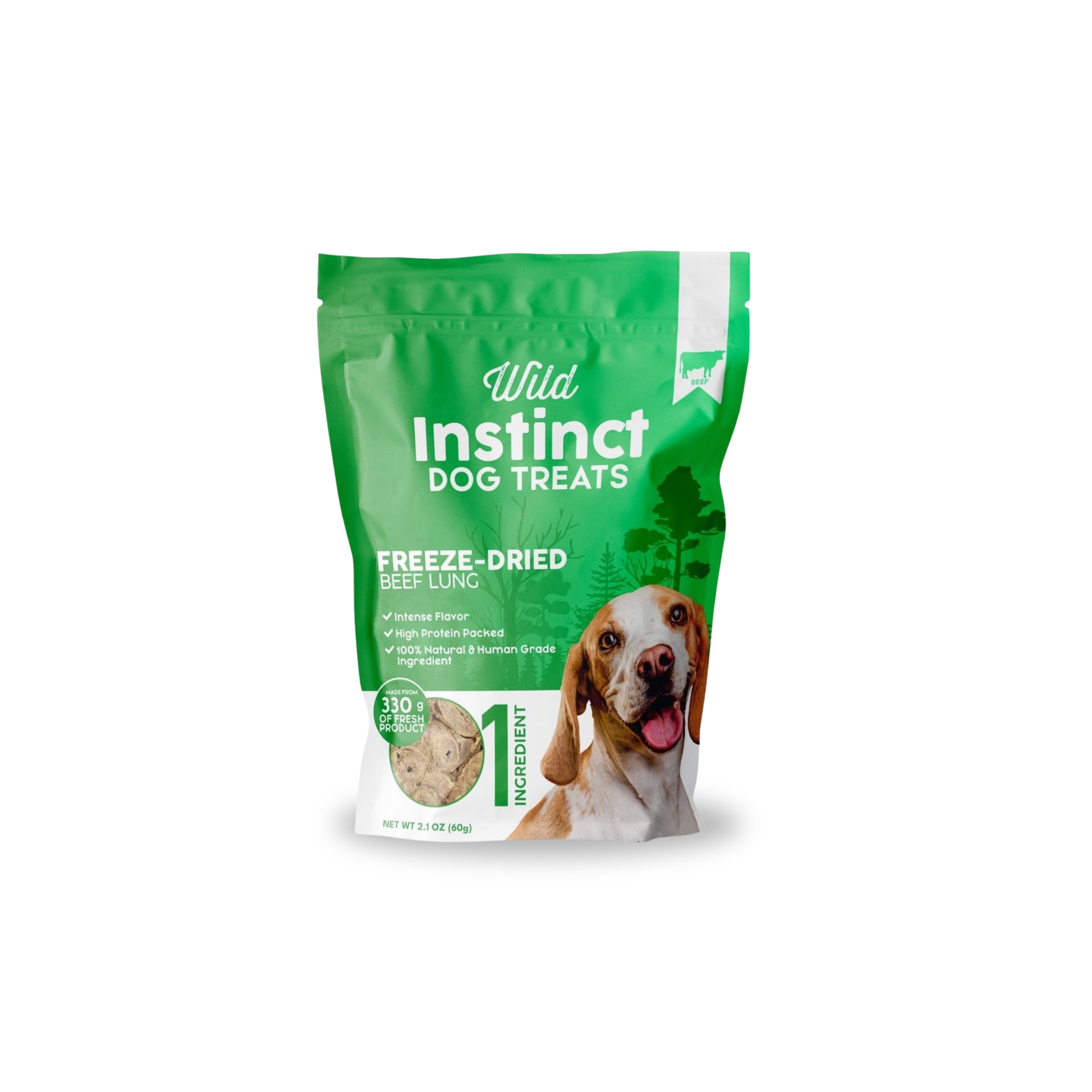
Dried beef lung treats are made from bovine lung that is dehydrated or freeze-dried into light, airy pieces. Compared with dense chews, lung is typically easy to break by hand, making it popular for training and for smaller mouths. From a nutrition standpoint, lung is generally considered a high-protein, low-fat organ-based treat, though exact macros vary by cut and drying method.
Why “light and airy” can be a pro and a con?
The airy texture is a big reason people consider beef lung treats for dogs “gentle.” For many puppies, it is easier to chew than tendons or bully sticks. But the same texture can increase gulping risk in fast eaters if pieces are too small, too brittle, or offered unsupervised.
Single-ingredient benefits and why they matter for puppies
Single-ingredient treats reduce exposure to mystery additives. In 2026, consumer demand for “simple label” pet products is still climbing, driven by allergy concerns and distrust of vague ingredient statements. Euromonitor continues to note premiumization and “health and wellness” growth in pet care globally, with owners paying for transparency and functional benefits (Euromonitor International, 2023).
Key idea: single-ingredient does not automatically mean “safe for every puppy.” Safety is a combination of age, size, chewing style, sourcing, and handling.
Are dried beef lung treats safe for puppies?
For most healthy puppies, plain, properly processed beef lung can be a safe, high-value treat when introduced at the right time and served in the right size. The biggest puppy-specific risks are choking, GI upset, calorie creep, and pathogen exposure from poor manufacturing or handling.
Age and development: when to introduce beef lung for dog training
Many veterinarians prefer treats be introduced once a puppy is stable on its core diet and has predictable stools, often after the first week or two at home. For very young puppies (8 to 10 weeks), start with tiny amounts and monitor stool quality for 48 hours. If your puppy is in a rapid growth phase for large breeds, prioritize balanced puppy food and keep treats minimal.
How much is too much for puppies?
Use the 10% rule: treats should provide no more than 10% of daily caloriesto avoid unbalancing the diet (WSAVA Global Nutrition Committee guidance referenced widely in veterinary nutrition education; see WSAVA resources and handouts, ongoing updates). This matters in puppies because mineral and energy balance impacts growth.
Practical shortcut: If you do not know the treat calories, treat it like a “high value” item and keep it to training micro-bites. For lung, that often means pea-size pieces.
Choking and gulping risk: the #1 real-world puppy hazard
Puppies explore with their mouths and can swallow too fast. Offer pieces that are large enough to chew but small enough not to lodge in the throat. Supervise every chew session. If your puppy is a gulper, consider using lung only as hand-fed training rewards, not as a bowl treat.
Safety note: Any dried chew can become a choking hazard. The risk is not unique to lung, but the airy brittleness can encourage “crunch and swallow” behavior in some puppies.
Nutrition profile: what dried beef lung can and cannot do
Beef lung is primarily a treat, not a complete food. It can be an excellent reinforcement tool because it is aromatic and palatable. But it does not replace balanced puppy nutrition, and it is not a “functional supplement” unless the product is formulated and tested for a specific claim.
Protein, fat, and why it matters for puppy stools
Many lung treats are relatively lean. That can be helpful for puppies prone to soft stools from fatty treats. But “lean” does not mean “limitless.” Too many treats of any kind can still cause diarrhea or constipation by changing overall intake and gut motility.
Organ tissue and micronutrients: a caution for excess
Organ meats can be nutrient-dense. While lung is not as vitamin-heavy as liver, overfeeding organ-based treats can still skew overall nutrient intake. With puppies, the goal is consistency and balance. Use beef lung treats for dogs as a tool, not a meal component.
Allergies and sensitivities
True food allergies in dogs are less common than owners think, and they are most often linked to proteins like beef, chicken, and dairy. If your puppy is itchy, has chronic ear infections, or persistent GI upset, talk with your vet before adding beef-based treats. If you are doing a diet trial, avoid all non-prescribed proteins, including beef lung for dog treats.
Safety checklist: sourcing, processing, and what to look for in 2026
In 2026, the safety gap between “great” and “sketchy” treats is often about manufacturing controls. Pet treat safety has been a recurring concern after multiple jerky-treat illness reports over the last decade and ongoing attention to pathogen control and traceability.
Organic beef lung for dogs: what “organic” does and does not guarantee
“Organic” refers to how the animal was raised and how the product is handled under organic standards. It can reduce exposure to certain pesticides or antibiotics depending on certification rules, but it does not automatically mean lower pathogen risk. Safe treats still require sanitation, validated drying processes, and testing.
2026 trend: transparency, QR codes, and lot-level documentation
Across premium pet nutrition, more brands are using QR codes for COAs, sourcing maps, and test summaries. This trend is influenced by broader food-industry traceability expectations and consumer pressure. When you buy beef lungs for dogs in 2026, choose brands that can show lot-level documentation and respond quickly to questions.
Data point: Pet owners increasingly seek health-led purchases, and premiumization remains a major demand driver in pet care (Euromonitor International, 2023). In practice, “premium” should mean documented safety controls, not just marketing.
Comparing treat options: dried beef lung vs other popular puppy treats
Not all treats behave the same in a puppy’s mouth and gut. Use the comparison below to decide what fits your puppy’s chewing style, training needs, and risk profile.
|
Treat type |
Best use |
Main puppy risk |
Practical safety move |
|---|---|---|---|
|
Dried or freeze-dried beef lung |
High-value training, easy to break into micro-bites |
Gulping or choking if pieces are the wrong size |
Hand-feed; use larger, softer pieces for gulpers |
|
Freeze-dried single-ingredient muscle meat |
Training and topper-style rewards |
Calorie creep; some puppies get loose stool |
Track treat count; keep under 10% of calories (WSAVA guidance) |
|
Bully sticks |
Longer chew enrichment |
High calories; swallowing the last chunk |
Use a safety holder; set time limits |
|
Rawhide-style chews |
Chewing (but increasingly avoided) |
GI obstruction, swelling, chemical processing concerns |
Many vets recommend choosing safer alternatives |
|
Soft training treats with multiple ingredients |
Fast reinforcement during classes |
Additives, allergens, higher carbs for some formulas |
Pick limited-ingredient formulas; rotate thoughtfully |
Bottom line: beef lung treats for dogs are often a strong “middle ground” for training, as long as you control portion size and choking risk.
Common mistakes to avoid (and pro tips that actually work)
Most problems with beef lung for dog treats come from execution, not the ingredient itself. These are the pitfalls we see most often, plus fixes you can implement today.
Mistake 1: Using lung as a “free-feeding” snack
Leaving a bag open or letting kids hand out treats all day is a fast track to calorie overload and GI upset. Pre-portion the day’s treat allowance into a small container before training. When it is gone, it is gone.
Mistake 2: Giving tiny brittle pieces to a gulper
Small shards can be inhaled. If your puppy gulps, switch to larger pieces you hold during chewing, or use lung only as hand-fed micro-bites during cues. For chew sessions, consider safer long-form chews with a holder, and ask your vet for size recommendations.
Mistake 3: Assuming “organic” equals “pathogen-free”
Organic beef lung for dogs can be a great choice, but organic certification is not a kill-step. Look for brands that discuss dehydration validation, post-process testing, and lot traceability.
Mistake 4: Ignoring the teething phase
During teething, puppies may swallow faster to soothe gums. Increase supervision and reduce piece size to training-only rewards. Consider pairing treats with structured chew time using puppy-safe chews to satisfy the urge to gnaw.
What’s changing in 2026: safety expectations, testing, and buyer behavior?
In May 2026, treat buyers are more educated and more skeptical. The biggest shift is that premium customers now expect the same fundamentals they see in high-end human snacks: documented sourcing, clearer processing claims, and faster recall communication.
Trend 1: “Tested” is becoming a purchasing filter
More brands now highlight microbial testing, third-party audits, and batch coding. This is partly a response to ongoing food safety awareness and partly the reality of AI-powered search results surfacing brand trust signals. If a brand cannot explain its safety controls in plain language, consumers increasingly move on.
Trend 2: Ingredient simplicity with higher standards
Single-ingredient treats are still surging, but buyers want proof that “simple” does not mean “uncontrolled.” That includes sourcing details (farm, region, country), and manufacturing details (dehydration times and temperatures, or freeze-drying plus validation steps).
Trend 3: Functional framing, without overpromising
In 2026, the market is crowded with functional claims. Treats that imply dental cleaning, gut health, or immune support without substantiation are facing more consumer pushback. Best practice is to choose treats for what they reliably do: provide enrichment and training value, while keeping puppy nutrition balanced.
Industry reality check: The pet food market remains massive. In the US, pet owners spent $64.4 billion on pet food and treats in 2023 (APPA, 2024). With that spend comes intense competition, and marketing can outpace quality unless you know what to check.
Conclusion
Dried beef lung can be a smart, simple treat for puppies when you treat it like a tool, not a food group. Focus on chew safety, portion control, and manufacturing transparency.
If you want clean, single-ingredient treats built for training and trust, Wild Instinct Pet focuses on simple sourcing, transparent standards, and nature-forward nutrition that respects how dogs and cats are built to thrive.
Contact us if you have questions about choosing the right treat size for your puppy or want help finding a product that matches your goals, reach out to Wild Instinct Pet via our website contact page.
Frequently Asked Questions
Are dried beef lung good for dogs if my puppy is only 8 weeks old?
Often yes, in very small amounts, once your puppy is stable on their main diet and you can monitor stool quality. Start with 1 to 2 tiny pieces after a meal and watch for GI upset over 24 to 48 hours. For very small breeds, use micro-bites to reduce choking risk.
Can dried beef lung cause diarrhea in puppies?
It can, especially if introduced too fast or fed in large amounts. Even lean treats can trigger loose stool when they change total intake. Introduce slowly and keep treats under about 10% of daily calories (WSAVA guidance).
Is beef lung a choking hazard for puppies?
Any treat can be, and lung can be higher risk for gulpers because it is light and brittle. Hand-feed small training bites or offer appropriately sized pieces under supervision. If your puppy swallows without chewing, avoid free-access treats and talk to your vet about safer chew strategies.
How many beef lung treats can I give my puppy per day?
Base it on calories, not pieces. Aim to keep all treats at or below 10% of daily calories (WSAVA guidance), then adjust the number of pieces based on the product’s calorie density. If calories are not listed, keep it conservative and use micro-bites.
Should I choose freeze-dried or dehydrated beef lung treats for dogs?
Either can be safe if the brand uses validated pathogen controls and good hygiene. Freeze-dried treats often retain aroma and break cleanly into training bits. Dehydrated treats can vary more in hardness, so match texture to your puppy’s chewing style.
What is the best way to store beef lung treats for dogs?
Keep them sealed in the original bag or an airtight container, stored cool and dry. Avoid humid pantries that can soften treats or encourage spoilage. Wash hands after handling to reduce household cross-contamination risk (CDC, 2024).
Is organic beef lung for dogs safer than non-organic?
Organic speaks to production standards, but it does not automatically mean lower pathogen risk. The biggest safety indicators are processing controls, testing, and traceability. Choose organic if it fits your values, but still verify manufacturing quality.
Can I use beef lung for dog training every day?
Yes, if it stays within your puppy’s calorie budget and your puppy tolerates it well. Rotate treat types occasionally to avoid relying on one protein if your puppy later needs an elimination diet. Prioritize consistency during house-training and basic obedience periods.
Where should I buy beef lungs for dogs to reduce safety risks?
Buy from reputable pet nutrition brands or retailers that provide lot codes, clear sourcing, and customer support. Avoid unverified marketplace listings with vague origin statements. If a company cannot answer basic questions about processing and testing, choose another option.
What if my puppy has a sensitive stomach or suspected food allergy?
If your puppy has chronic GI issues or itchiness, talk to your veterinarian before adding beef-based treats. For suspected food allergies, vets often recommend a strict elimination diet where unapproved treats can invalidate the trial. In that case, do not use beef lung unless your vet approves it for the plan.
