


· By seoanalytics analytics
Freeze Dried Beef Liver For Cats: The 2026 Science-Backed Guide To A Healthier Treat
Freeze dried beef liver for cats is having a moment for a reason. Pet obesity remains a stubborn problem, with 61% of cats classified as overweight or obese in the U.S. (Association for Pet Obesity Prevention, 2022). Treat choices matter more than most people realize because “a little extra” can quickly become a daily calorie surplus. At the same time, cat parents in 2026 are demanding simpler labels, fewer fillers, and more species-appropriate ingredients, especially for sensitive stomachs and picky eaters.
In this guide, you will learn why beef liver for cats is uniquely nutrient-dense, how freeze-drying changes the nutrition and safety profile, what serving sizes look like in the real world, and how to choose (and use) beef liver treats for cats without overdoing vitamin A or calories.
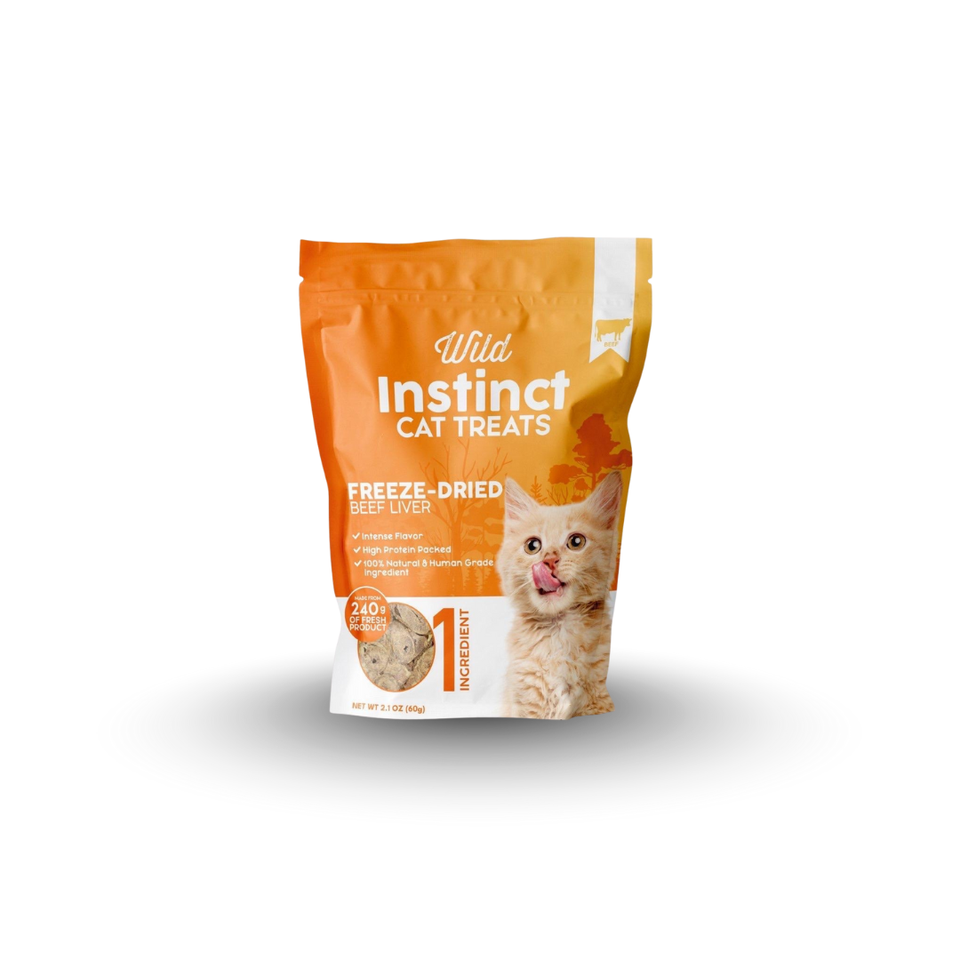
Why liver is a “primal” superfood for cats
Cats are obligate carnivores. That means they are biologically built to get key nutrients from animal tissues, not plants. In nature, cats consume prey “nose to tail,” including organs. Liver is one of the most nutrient-dense organs in the food chain, which is why it is so effective as a high-value training treat and topper.
What makes beef liver for cats nutritionally special
Liver is rich in highly bioavailable micronutrients that support normal immune function, vision, skin and coat health, and red blood cell production. It is also extremely palatable due to natural amino acids and aroma compounds cats instinctively seek out.
Why treats matter more in 2026 than they did a few years ago
Two forces are shaping treat decisions right now: weight management and ingredient transparency. First, treat calories add up fast in indoor cats with low daily energy expenditure. Second, label scrutiny is increasing as more owners connect flare-ups (itching, vomiting, soft stool) to ultra-processed treats with multiple additives.
In practice, single-ingredient treats like dried beef liver for cats help reduce “mystery variables” when you are trying to identify sensitivities or keep a clean rotation.
Freeze-drying vs raw, cooked, and dehydrated: what changes for cats?
“Beef liver treats for cats” can mean a few different things: raw beef liver for cats (fresh), cooked beef liver for cats (pan-cooked or baked), dehydrated (low heat over time), and freeze-dried (frozen, then moisture removed under vacuum). Each method affects texture, palatability, storage, and risk profile.
How freeze-drying works and why it preserves nutrients
Freeze-drying removes water at low temperatures, which generally helps preserve heat-sensitive nutrients compared with higher-heat dehydration or cooking. It also creates the light, crunchy texture cats often love. The result is a shelf-stable treat that can be fed dry or rehydrated.
Safety and pathogen reality: what the evidence says
Any animal product can carry pathogens. The key is sourcing, testing, and handling. A large U.S. retail survey found raw pet foods were more likely to test positive for bacteria, with Salmonella detected in 15 samples and Listeria monocytogenes in 16 (FDA CVM, 2014). That does not mean all freeze-dried products are unsafe, but it does underline why validated kill steps, lot testing, and hygienic handling matter.
Freeze-dried products vary by manufacturer. Some rely on sourcing and testing; others incorporate additional lethality steps or validated processes. In 2026, consumers are increasingly looking for brands that publish testing standards, lot traceability, and clear feeding and handling instructions.
Quick comparison: raw vs cooked vs dehydrated vs freeze-dried
|
Form |
Pros for cats |
Main watch-outs |
Best use |
|---|---|---|---|
|
Raw beef liver for cats |
Very palatable; minimal processing |
Highest handling risk; short shelf life; easy to overfeed vitamin A |
Occasional topper if sourced carefully and handled strictly |
|
Cooked beef liver for cats |
Lower pathogen risk if cooked properly; easy to portion |
Can reduce some heat-sensitive nutrients; stronger odor; still calorie-dense |
Homemade treats in small portions |
|
Dried/dehydrated beef liver for cats |
Shelf-stable; chewy texture |
Higher heat can alter some nutrients; varies widely by process |
Chew-style treat, portion-controlled |
|
Freeze dried beef liver for cats |
Strong aroma, crunchy; good nutrient retention; easy to crumble |
Still raw-like handling; can be very rich; needs responsible sourcing |
Training treat, topper, enrichment and picky-eater support |
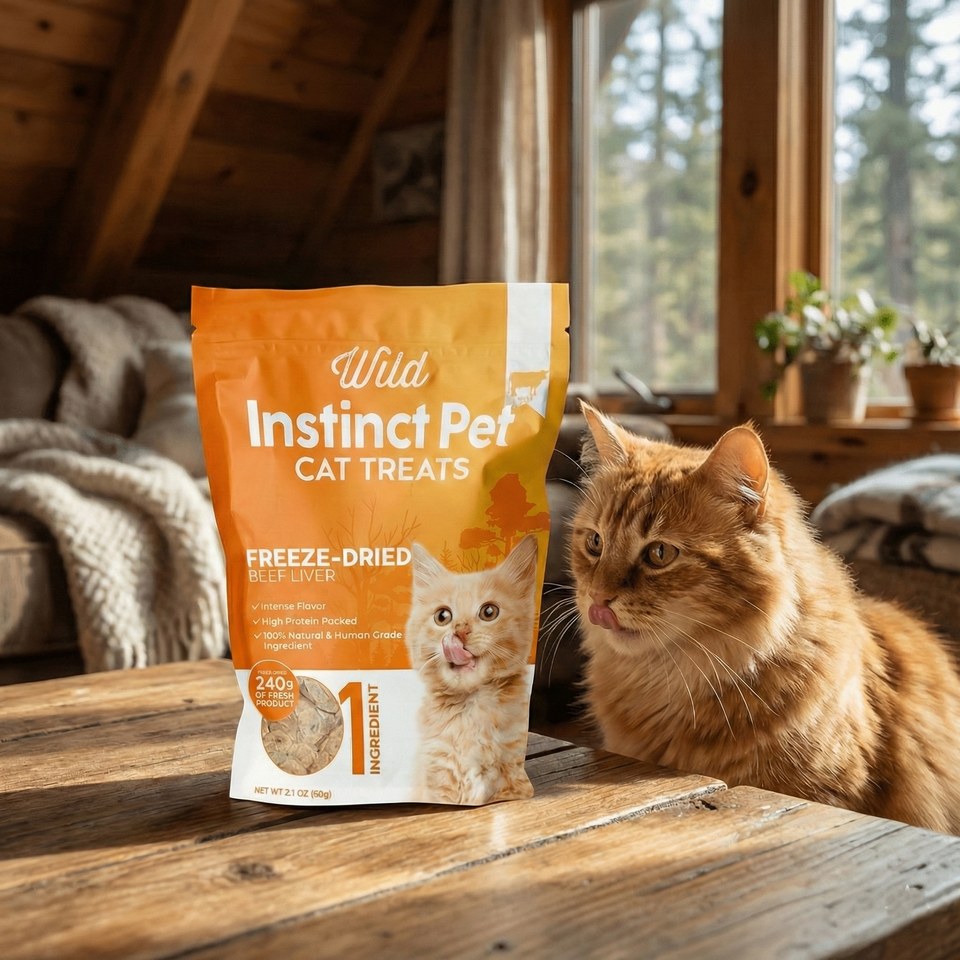
The real health benefits of freeze-dried beef liver for cats
Freeze dried beef liver for cats is not “magic.” It is simply nutrient-dense animal tissue delivered in a highly palatable format. When used correctly, it can support better compliance with feeding plans, provide enrichment, and add targeted micronutrients.
1) High palatability for picky eaters and appetite support
Many owners use beef liver treats for cats as a bridge when transitioning foods or supporting appetite in stressed situations (travel, moving, new baby, post-surgery recovery under veterinary guidance). The aroma is intense, and the pieces crumble easily, so you can dust a small amount over meals rather than feeding large chunks.
2) Nutrient density that complements complete diets
Cats should get the bulk of nutrition from a complete and balanced diet. Treats are “extras.” Liver can complement a balanced diet by adding naturally occurring vitamin A, B12, iron, and copper in small amounts.
For reference, beef liver is known to be rich in vitamin A and B12 in standard nutrient databases (USDA Food Data Central, updated continuously; commonly cited values for cooked beef liver include very high vitamin A and B12 per 100 g). The practical takeaway is simple: portion size matters more than frequency.
3) Training and enrichment that support weight control
Treats can support weight management when they are used strategically. Training games increase activity. Puzzle feeders and “hunt the treat” enrichment increase time-to-eat and reduce boredom eating. That matters because obesity is prevalent, and boredom is a major driver of treat-seeking behavior in indoor cats.
The safest benchmark used by many veterinary teams is to keep treats at 10% or less of daily calories(a widely cited best practice in clinical nutrition and veterinary guidance). If your cat needs weight loss, many vets tighten that further.
How much beef liver can cats have? Practical serving guidelines (without overdoing vitamin A)
Beef liver for cats is one of those foods where “healthy” can become “too much” quickly. The main nutrient risk is chronic overconsumption of preformed vitamin A (retinol), which can contribute to toxicity over time. You do not need to fear liver. You need to portion it like a potent supplement.
A simple, owner-friendly rule that works
Use freeze dried beef liver for cats as a micro-treat, not a bowl filler. For most adult cats, start with 1 to 3 small pieces per day or a light crumble on top of food, then adjust based on stool quality, calories, and your cat’s total diet.
Calorie budgeting: treats should not erase your feeding plan
Indoor adult cats often need roughly 180 to 250 kcal/day, depending on size, age, and activity (common veterinary feeding ranges; your vet can confirm your cat’s target). If treats exceed 10% of calories, weight creep becomes more likely.
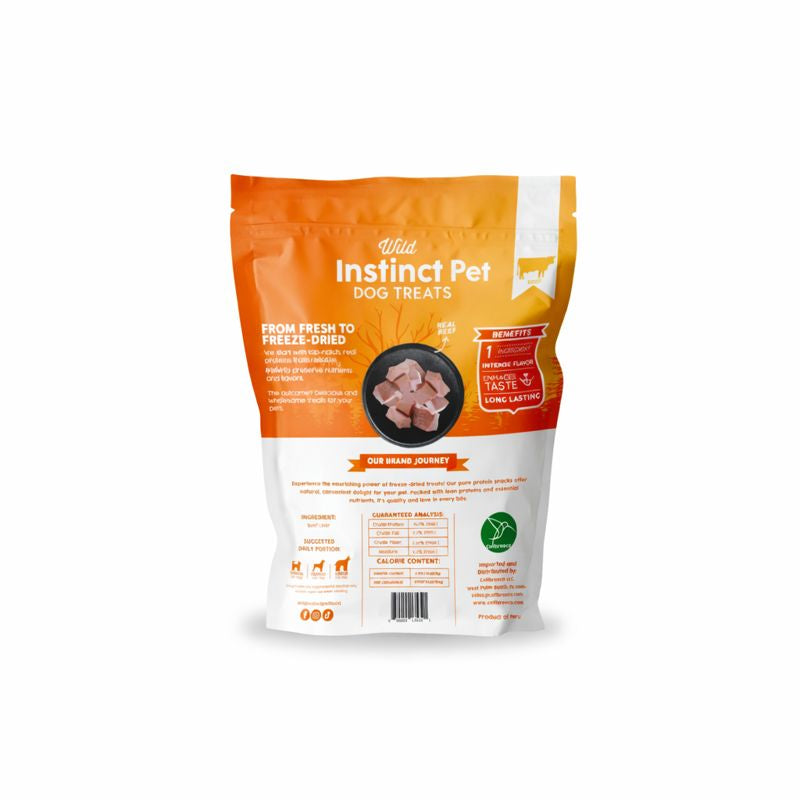
Common mistakes to avoid (and what to do instead)
Freeze dried beef liver for cats is simple. The mistakes are predictable. Fix them once, and this treat becomes one of the cleanest, most useful tools in your pantry.
Mistake 1: Treating liver like a “free snack”
Liver is nutrient-dense and calorie-dense. If your cat is gaining weight, do not remove food first. Remove or reduce treats first. Replace some treat moments with play, brushing, or clicker training using tiny crumbs.
Mistake 2: Overfeeding organ treats during sensitive stomach phases
If your cat has loose stool, vomiting, or a recent diet change, pause rich treats for a week. Reintroduce slowly. If signs persist, involve your veterinarian to rule out pancreatitis, IBD, parasites, or food intolerance.
Mistake 3: Assuming “freeze-dried” equals “sterile”
Freeze-drying reduces moisture. It does not automatically eliminate pathogens. Choose brands with transparent safety practices and handle treats like raw-style foods. This aligns with the FDA’s long-standing concerns about bacterial contamination risk in raw pet foods (FDA CVM, 2014).
Mistake 4: Using liver treats during elimination diet trials
If you are testing for food allergies, even a single-ingredient treat can invalidate the trial if it is not part of the plan. Work with your vet on a strict protocol. Many dermatology and GI cases require 8 to 12 weeks of strict compliance to be meaningful.
Conclusion
Freeze dried beef liver for cats can be one of the cleanest treats you can buy. It is also one of the easiest to overfeed. Keep it small, purposeful, and tied to enrichment or training, and it becomes a high-trust tool in your routine.
If you want a clean, nature-driven treat that fits modern 2026 expectations for transparency and simplicity, freeze-dried liver is a strong option when used intentionally. For product guidance, feeding help, or sensitive-cat strategies, contact Wild Instinct Pet.
Contact Wild Instinct Pet team with any questions about our products, feeding recommendations, or your pet's nutritional needs.
Frequently asked questions
What is freeze dried beef liver for cats, exactly?
It is beef liver that has been frozen and then dried under vacuum to remove moisture while keeping the structure and aroma. It is typically crunchy and shelf-stable. Most products are single-ingredient, which helps reduce additive exposure.
Is beef liver good for cats every day?
Small amounts can be fine for many cats, but daily use should stay portion-controlled. Liver is very high in certain nutrients, especially preformed vitamin A, so “a little” is the right mindset. If your cat has health conditions or is on a therapeutic diet, ask your veterinarian.
How much freeze-dried liver can I give my cat?
A practical starting point is 1 to 3 small pieces per day, or a light crumble as a topper. Keep treats at or under 10% of daily calories, and less for overweight cats. Adjust based on stool quality and weight trends.
Can kittens eat freeze-dried beef liver treats for cats?
Yes, in very small amounts, but treats should not displace a complete kitten diet. Use micro-crumbs for training and keep the focus on balanced growth nutrition. When in doubt, ask your vet for a calorie target.
Is raw beef liver for cats safer or better than freeze-dried?
Raw liver can be highly palatable, but it has a shorter shelf life and requires stricter handling. Freeze-dried is more convenient and often better for controlled portioning. Both should be sourced responsibly, since raw-style products can carry bacterial risk (FDA CVM, 2014).
Should I feed cooked beef liver for cats instead?
Cooking can lower pathogen risk if done properly, and it is a reasonable homemade option. The downside is mess, odor, and less convenience, plus the risk of overfeeding remains. If you cook liver at home, portion it small and treat it as a supplement, not a meal.
What should I look for when buying beef liver treats for cats?
Look for single-ingredient “beef liver,” clear sourcing, lot codes, and transparent safety and testing practices. Avoid added flavors, sweeteners, or preservatives. Choose brands that give clear feeding guidance and handling instructions.
Can freeze-dried beef liver cause diarrhea or vomiting in cats?
Yes, especially if introduced too quickly or fed in large amounts. Liver is rich and can overwhelm sensitive stomachs. Stop treats, let the GI tract settle, then reintroduce slowly in tiny portions if your vet approves.
Is dried beef liver for cats the same as freeze-dried?
No. “Dried” often means dehydrated with heat over time, while freeze-dried uses low temperatures and vacuum to remove moisture. Both can work, but they differ in texture, aroma, and how nutrients are preserved. Quality depends more on the manufacturer than the label word.
When should I avoid beef liver treats for my cat?
Avoid or pause them during elimination diet trials, when your cat is on a strict therapeutic diet, or if your vet has restricted certain nutrients. Also use caution in homes with immunocompromised people due to raw-style handling concerns. Always prioritize your veterinarian’s guidance for complex medical cases.
