


· By seoanalytics analytics
Freeze Dried Turkey Liver: How Freeze-Drying Preserves Nutrients Better Than Traditional Drying Methods (2026 Guide)
Heat is the silent nutrient killer in many pet treats. Vitamin losses can be dramatic when foods are exposed to long drying times and high temperatures. For example, vitamin C losses during hot-air drying commonly range from 30% to 80%depending on temperature and time (Ornellis et al., 2022; Rahman, 2020). That matters in 2026 because pet parents are demanding cleaner labels, fewer fillers, and processing they can trust. If you buy freeze dried turkey liver to support training, picky eating, or species-appropriate nutrition, you are also buying a process designed to protect fragile nutrients.
This guide breaks down how freeze-drying works, why it typically preserves nutrients better than traditional drying methods, and how to choose the best freeze-dried turkey liver, freeze dried turkey hearts, and answers to “is freeze dried beef liver good for dogs” with practical feeding and safety tips.
Why nutrient preservation is a big deal for organ treats?
Organ meats are nutritional powerhouses. Liver and heart bring concentrated amino acids, minerals, and fat-soluble vitamins in a small serving. That density is exactly why processing matters. Overheating can oxidize fats, denature proteins, and degrade vitamins, turning “nutrient-dense” into “calorie-dense.”
Liver is naturally rich in vitamin A and B vitamins. Those compounds are useful but delicate under heat and oxygen exposure. Heart is naturally rich in taurine and CoQ10, plus heme iron. Dogs and cats rely on consistent amino acid intake, and cats have a well-known dietary requirement for taurine, making gentle processing a priority in feline homes (NRC, 2006).
How freeze-drying works (and why it is different)
Freeze-drying is not “drying with cold air.” It is a controlled, multi-step process that removes water by sublimation, meaning ice turns directly into vapor without becoming liquid. That matters because liquid water plus heat accelerates nutrient loss and structural damage.
Step 1: rapid freezing
The ingredient is frozen so water forms ice crystals. Faster freezing generally creates smaller crystals, which helps maintain tissue structure. Better structure means better rehydration and a more “fresh-like” texture when crumbled or soaked.
Step 2: primary drying (sublimation under vacuum)
In a vacuum chamber, pressure drops below the triple point of water so ice can sublimate. Because the product remains cold relative to hot-air drying, many heat-sensitive vitamins and bioactive compounds are better protected.
Step 3: secondary drying (desorption)
Bound water is removed to reach very low moisture levels. Lower water activity helps slow microbial growth and chemical reactions like oxidation. Many freeze-dried foods land in a low moisture range and low water activity range that supports shelf stability when packaged correctly.
Freeze-drying vs traditional drying methods: what the science says
Traditional drying usually means hot-air (convective) drying, oven drying, drum drying, or dehydrators. These methods can be safe and useful, but they rely on heat and airflow over time. That combination can degrade vitamins and accelerate oxidation.
Across food science literature, freeze-drying is frequently associated with higher retention of sensitive nutrients compared to hot-air drying, especially for vitamins, antioxidants, and volatile compounds (Ratti, 2001; Rahman, 2020). While exact numbers vary by ingredient and process settings, the mechanism is consistent: less heat stress, less oxidation, less structural collapse.
Also important: palatability compounds are volatile. Many of the “meaty” aromas in liver and heart are precisely the compounds that can be lost with aggressive heat. In treat form, aroma equals compliance, especially for cats and picky dogs.
Safety note: Nutrient preservation does not replace food safety programs. Reputable manufacturers validate lethality steps, test lots, and use hygienic handling, regardless of method.
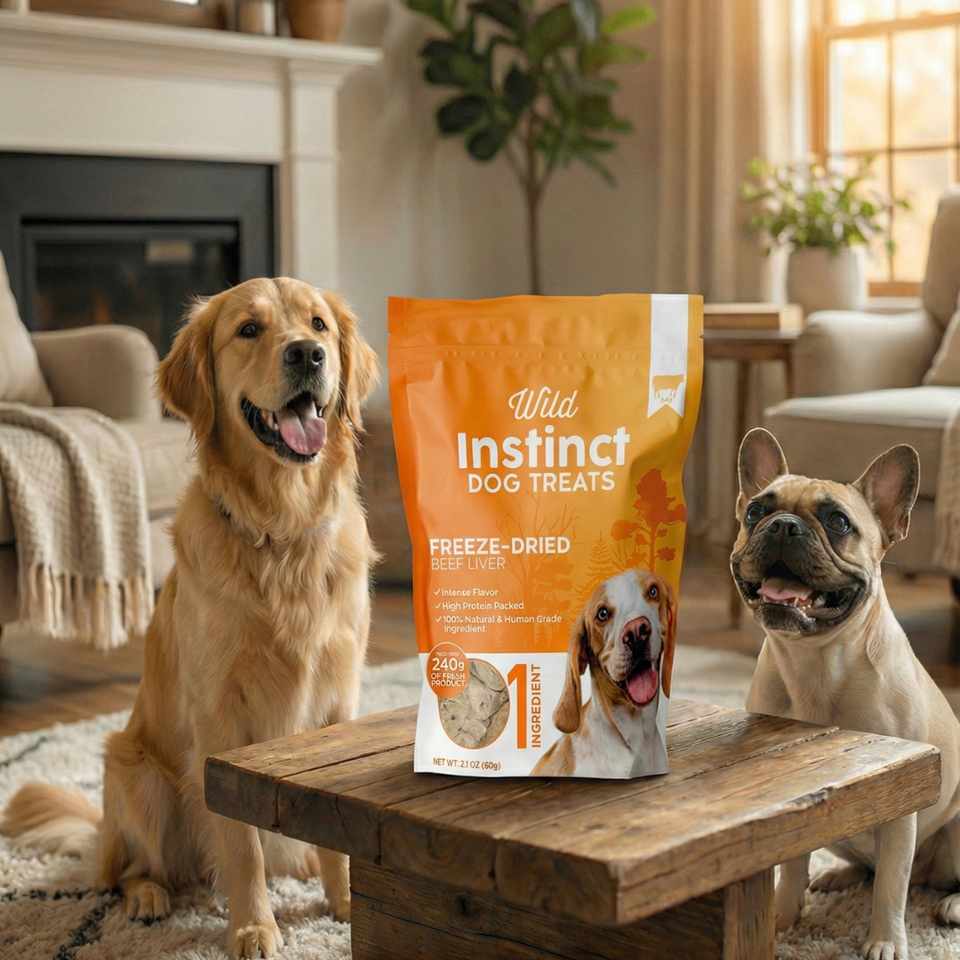
Comparison table: nutrient impact and practical tradeoffs
|
Method |
Typical heat exposure |
Nutrient retention trend |
Texture and palatability |
Best use case |
|---|---|---|---|---|
|
Freeze-drying |
Low (vacuum, cold product temperature during sublimation) |
Higher retention of heat-sensitive vitamins and volatiles in many foods (Ratti, 2001; Rahman, 2020) |
Light, porous, crumbly; rehydrates well |
Single-ingredient organs like freeze-dried turkey liver and hearts for nutrient-dense treating |
|
Hot-air drying (dehydrator/oven) |
Moderate to high (often hours) |
Greater losses of sensitive vitamins; oxidation risk rises with time and heat (Rahman, 2020) |
Chewier, denser; aroma can be reduced |
Jerky-style treats; cost-sensitive production |
|
Drum drying / high-heat rapid drying |
High (short time, high temp) |
Can be harsh on heat-sensitive compounds; may denature proteins |
Flaky powders; cooked aroma |
Ingredients for powders or meal inclusions |
|
Air drying (low and slow) |
Low to moderate (long time) |
Better than high-heat but still oxidation over long exposure |
Dense and firm; can be very palatable |
Whole-cut chews; boutique formats |
Key insight: Freeze-drying is not automatically “better” for every goal, but it is often the best fit when you want maximum nutrient integrityin a single-ingredient organtreat.
What nutrients are most protected in freeze dried turkey liver and hearts?
Not all nutrients behave the same. Minerals like iron are generally stable. Many vitamins and fatty acids are not. Here is what freeze-drying tends to protect best, and why it matters for pets.
Heat-sensitive vitamins and bioactives
Food science consistently shows that vitamins like C and some B vitamins are vulnerable to heat, oxygen, and moisture. In general food applications, vitamin C losses of 30% to 80%are commonly reported in hot-air drying depending on conditions (Ornellis et al., 2022; Rahman, 2020). Organ meats are not vitamin C supplements, but this illustrates the core principle: high heat plus time equals vitamin loss.
For liver, think vitamin A and B-complex support, plus copper and iron. For heart, think taurine, amino acids, and naturally occurring compounds linked to cellular energy. Minimizing heat is a reasonable strategy when you want to keep these nutrients closer to their original state.
Protein quality and amino acids
Proteins can denature with heat. Denatured does not always mean “bad,” but it can change digestibility and palatability. Freeze-dried treats generally maintain a raw-like protein structure and smell, which can be helpful for training and enrichment.
Fats and oxidation
Oxidation is a quiet quality killer. It affects taste first, then nutrient quality, then freshness. Lower heat and oxygen-reduced processing can help, but packaging matters just as much. Look for oxygen absorbers and high-barrier pouches or tins, especially for liver.
Is freeze dried beef liver good for dogs? A vet-trust, evidence-based view
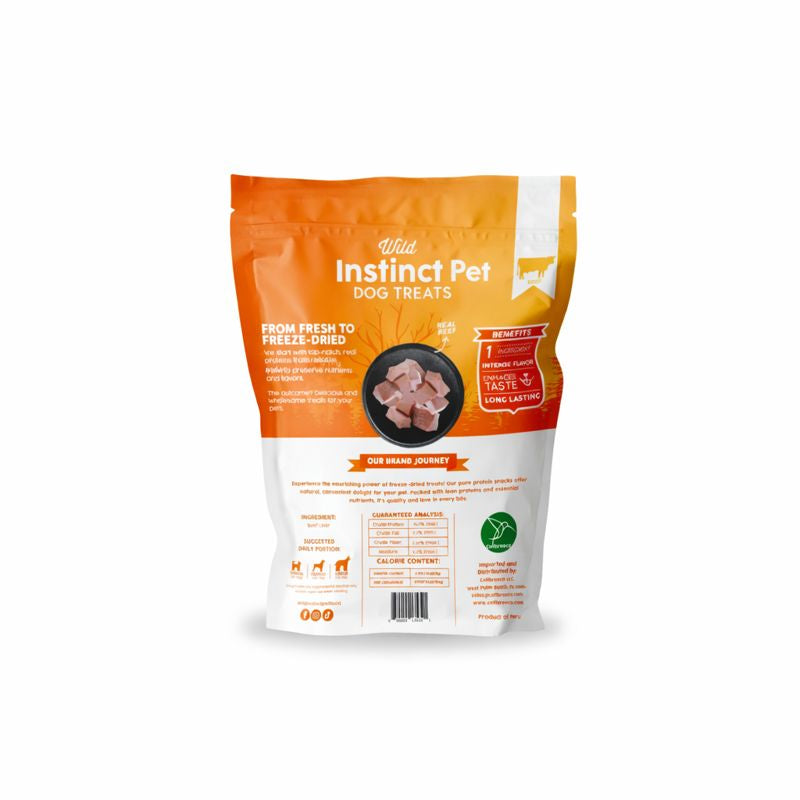
Yes, freeze dried beef liver can be good for dogs when used correctly. Beef liver is nutrient-dense and highly palatable, which makes it an effective high-value reward. The same goes for freeze-dried turkey liver and freeze dried turkey hearts. But organ treats come with a rule: portion control.
Liver is rich in vitamin A. Excess vitamin A over time can be a concern if liver is fed in large quantities, especially alongside a complete diet already fortified with vitamin A. The safe approach is to keep organ treats as a small percentage of daily calories. A common best practice across veterinary nutrition guidance is to keep treats to 10% or less of daily caloric intake to avoid unbalancing the diet (WSAVA Global Nutrition Committee, 2021).
What is changing in 2026: quality, safety, and labeling trends you should know
In May 2026, the premium treat market is still trending toward minimal ingredients, functional benefits, and transparent sourcing. Freeze-dried, single-ingredient treats are growing because they align with “clean label” preferences and are easy for consumers to understand.
Trend 1: tighter expectations around pathogen controls
Freeze-drying is a dehydration method, not automatically a kill step. In 2026, brands increasingly communicate their safety approach more clearly: sourcing controls, validated lethality steps where applicable, environmental monitoring, and lot testing. Consumer expectations are rising as awareness of foodborne pathogen risks in pet food continues to circulate in media and recall reporting.
Trend 2: traceability and supply chain documentation
Retailers and marketplaces are pushing for better traceability documentation. Look for brands that can tell you the protein origin, facility standards, and testing frequency. Transparency is becoming a competitive advantage, not just a marketing claim.
Trend 3: functional single-ingredient positioning
Hearts and liver are no longer sold only as “treats.” They are positioned as training tools, toppers, enrichment crumbles, and high-value rewards for behavior work. This shift is practical: palatability drives compliance, and compliance drives consistency.
Common mistakes to avoid (and pro tips that make freeze-dried work better)
Freeze-dried treats are simple. The mistakes are simple too. Avoid these and you get the full benefit of nutrient preservation and clean-label feeding.
Mistake 1: treating organ treats like muscle-meat treats
Liver is not a low-impact snack. It is a concentrated organ. Keep it within the treat calorie budget and rotate with other treat types.
Mistake 2: leaving the bag open or storing it in humid areas
Freeze-dried pieces pull moisture from the air. That softens texture and can increase spoilage risk over time. Reseal fast and store cool and dry.
Mistake 3: assuming “freeze-dried” automatically equals “pathogen-free”
Safety comes from sourcing and controls, not the word on the label. Choose brands that discuss testing, traceability, and facility standards.
Conclusion
Freeze-drying is not hype. It is a process advantage, especially for delicate, nutrient-dense organs.
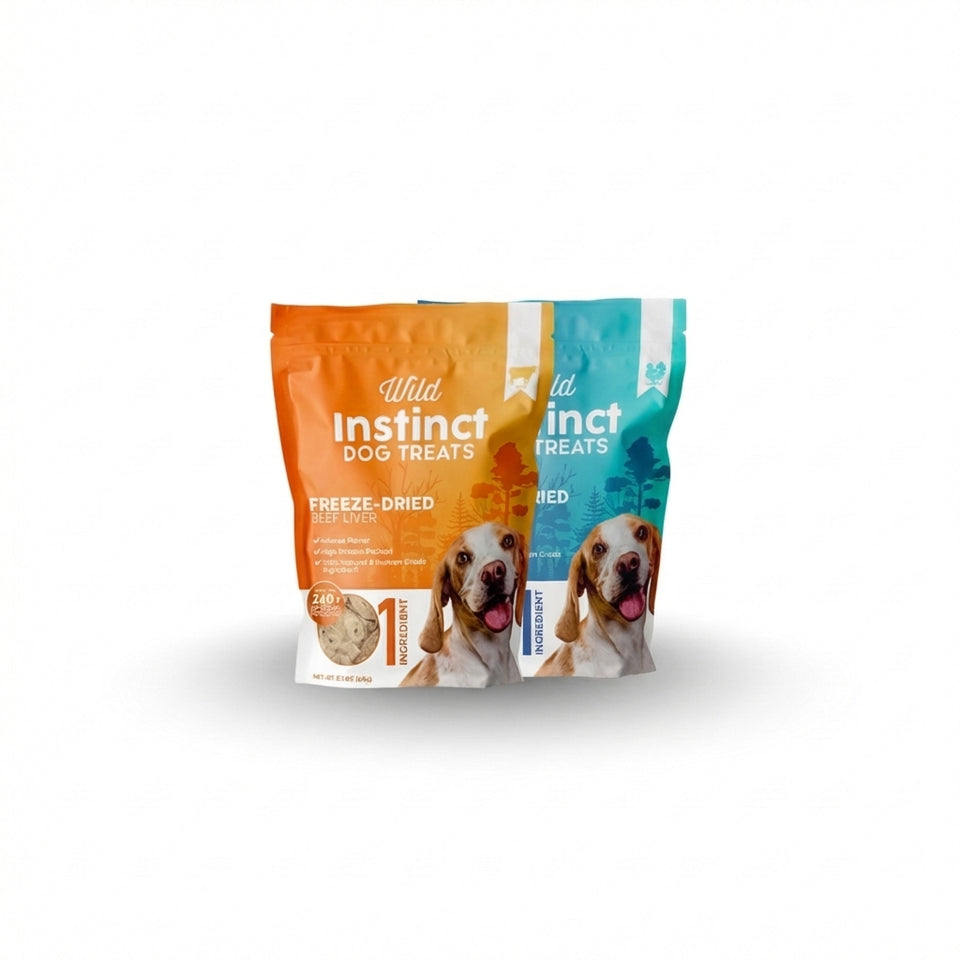
If you want a treat that stays close to nature and hits like a primal reward, choose single-ingredient organs and demand proof-backed quality. At Wild Instinct Pet, we believe clean processing is part of clean nutrition.
Ready to upgrade your treat routine? Explore freeze-dried organs that fit your pet’s needs, then build a simple rotation for training and topping. Contact us to get help choosing the right protein and portion plan for your dog or cat: Wild Instinct Pet.
Frequently asked questions
What is freeze dried turkey liver, exactly?
Freeze dried turkey liver is turkey liver that has had water removed through freezing and vacuum sublimation. This preserves structure and many heat-sensitive compounds better than high-heat drying. It is typically shelf-stable when packaged properly.
How does freeze-drying preserve nutrients better than dehydrating?
Freeze-drying removes water at low temperatures under vacuum, which reduces heat damage and oxidation. Dehydrating usually relies on warm or hot airflow over hours, which increases exposure to heat and oxygen. Many studies in food science report better retention of sensitive nutrients with freeze-drying compared with hot-air drying (Ratti, 2001; Rahman, 2020).
Is freeze-dried turkey liver the same as raw?
No. It starts raw, but the process removes moisture and changes the physical structure. It can be closer to raw in aroma and texture than cooked treats, but it is not identical to fresh raw organ meat.
Is freeze dried beef liver good for dogs of all sizes?
It can be a great high-value treat for most dogs, but portioning matters because liver is nutrient-dense. Keep treats at 10% or less of daily caloriesto avoid diet imbalance (WSAVA Global Nutrition Committee, 2021). Small dogs simply need smaller pieces.
Can cats eat freeze-dried turkey liver and freeze dried turkey hearts?
Many cats do very well with them, especially as toppers or tiny training bites. Introduce slowly to avoid GI upset, and keep portions modest. If your cat has a medical condition or is on a prescription diet, check with your veterinarian first.
How much freeze-dried liver is too much?
Too much depends on pet size, total diet, and how often it is fed, but the safest rule is treat moderation and rotation. If stool softens, appetite changes, or your pet starts refusing their balanced food, reduce liver immediately. When in doubt, use liver as a topper rather than a snack handful.
Should I rehydrate freeze-dried organ treats?
You can, especially for seniors, small pets, or pets with dental sensitivity. Rehydration can boost aroma and make treats easier to chew. Discard leftovers if they sit out for extended periods, especially in warm rooms.
Do freeze-dried treats need refrigeration after opening?
Usually no, as long as the product stays dry and sealed. Refrigeration can introduce humidity if the container is opened frequently. A cool, dry pantry and an airtight container is often the better choice.
How can I tell if a freeze-dried treat has gone stale or spoiled?
Texture changes first. If it becomes soft, rubbery, or smells rancid, toss it. Also discard if you see visible moisture, clumping, or mold.
What should I look for on the label in 2026?
Look for single-ingredient specificity (example: “turkey liver”), readable batch codes, and a brand that communicates sourcing and testing practices. High-barrier packaging and oxygen absorbers are quality signals for organ treats. Transparency is the strongest trust marker in the current market.
