


· By seoanalytics analytics
Freeze Dried Beef Liver Treats For Dogs: Should You Rehydrate Before Feeding In 2026?
Freeze-dried pet food and treats are still surging in 2026because pet parents want clean ingredients without the mess of raw. But here is the question most owners do not ask until a vet visit or a scary gagging moment: should you rehydrate freeze-dried treats first, or is it safer to feed them dry?
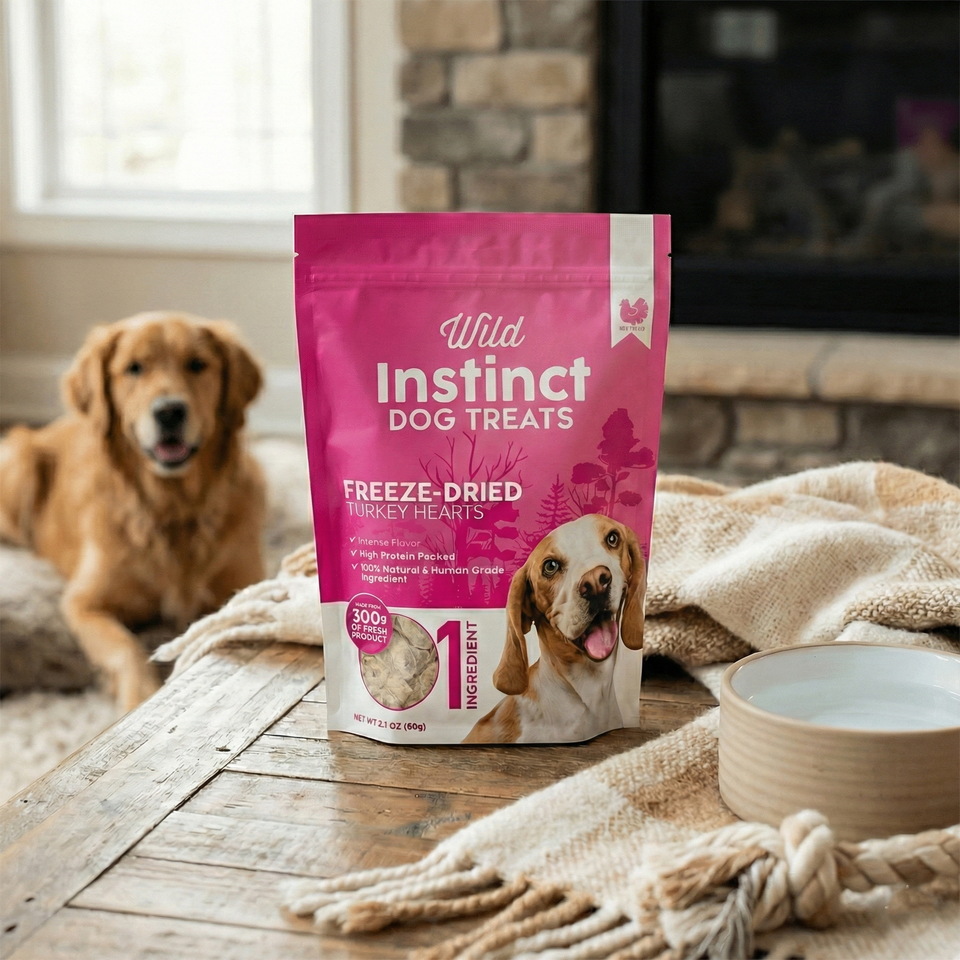
If you feed freeze dried beef liver treats for dogs, freeze dried turkey hearts, dried beef lung for dogs, or turkey liver treats for dogs, rehydration is not just a preference. In some cases it is a risk-reduction tool. In this guide, you will learn when rehydration matters most, what the science says about moisture and digestion, how to do it correctly, and how 2026 trends like novel proteins, smaller bite formats, and tighter safety expectations are changing best practices.
Why rehydration is even a question with freeze-dried treats
Freeze-drying removes water under low temperature and vacuum. That preserves structure, aroma, and many heat-sensitive nutrients better than high-heat dehydration. It also makes treats extremely shelf-stable and lightweight. The tradeoff is simple: very low moisture.
Most freeze-dried treats sit around 2% to 6% moisture depending on the product and post-process handling. By comparison, fresh meats are commonly 60% to 75% water(USDA FoodData Central, 2024). That difference changes how fast a piece softens in the mouth and how it behaves after swallowing.
Rehydration is not about “making it healthier”
Rehydration does not “add nutrition.” It changes texture, chew, and swallowing mechanics. The main reasons owners rehydrate include:
Why organ treats behave differently
Organ meats like liver and heart are nutrient-dense and often porous when freeze-dried. Some pieces soften quickly with saliva. Others stay rigid long enough to be swallowed in chunks. Lung is airy and can crumble, which is great for training but can also create dry dust for sensitive throats. That is why dried beef lung for dogs and liver products may have different “rehydration needs” even from the same brand.
What the evidence says: moisture, digestion, and safety
Direct clinical trials on “rehydrating freeze-dried treats” are limited. But we can use strong adjacent evidence from hydration physiology, texture and swallowing mechanics, and food safety research.
Hydration and urinary health: relevance, not hype
Water intake matters. A large body of veterinary nutrition guidance emphasizes that moisture-rich feeding supports urine dilution and can reduce risk in predisposed animals, particularly cats. In one large observational analysis of risk factors for feline lower urinary tract disease, lower water intake and diet type were repeatedly associated with urinary issues (Buffington, 2004). That does not mean rehydrated treats prevent disease, but it supports the logic that adding water is rarely a downside for many pets.
Swallowing and choking risk: the practical reality
Choking events are underreported in veterinary literature, but emergency clinicians consistently flag it as a preventable hazard with certain treat shapes and fast-eating behavior. Rehydration can reduce the chance that a hard, light piece is swallowed whole. This is especially relevant for:
Food safety: rehydration changes the clock
Freeze-drying does not sterilize food. Many reputable manufacturers use validated kill steps, sourcing controls, and testing. Still, pathogens like Salmonella can survive in low-moisture foods and become a bigger issue once moisture is added.
Important context: In a widely cited review, low-moisture foods were highlighted for their ability to carry Salmonella while limiting growth until moisture increases (Beuchat et al., 2013). Once you rehydrate, you should treat the treat like perishable food.
Action rule: Rehydrate only what you will feed immediately. Discard leftovers after 20 to 30 minutes at room temperature, faster in warm environments.
When you should rehydrate freeze-dried dog treats
Rehydration is optional for many healthy adult dogs that chew properly. But there are clear situations where it becomes best practice.
1) Small dogs and fast eaters
If your dog swallows treats without chewing, rehydrate or break into smaller pieces. A softened piece is less likely to lodge in the throat. For training sessions, consider “micro-dosing”: tiny pieces, high frequency.
2) Seniors, dental disease, or post-procedure recovery
Periodontal disease is extremely common. One landmark estimate found most dogs show signs of periodontal disease by 3 years of age(AVDC, cited widely; continued consensus in veterinary dentistry). If chewing is painful, pets gulp. Rehydration reduces mechanical stress and supports safer swallowing.
3) Dogs prone to constipation or low water intake
If stools are consistently dry or your dog drinks poorly, rehydrating treats is an easy “hidden water” tactic. It is not a cure, but it helps stack daily hydration in your favor.
4) Cats eating dog treats or shared households
Cats often benefit from higher moisture intake, and they can be more sensitive to texture. If you feed freeze-dried organs as toppers across species, rehydration improves lickability and reduces scarfing.
5) When using large organ chunks
Freeze dried turkey hearts and larger liver cubes can be deceptively light and easy to swallow. Rehydrate or slice for toy breeds and for any pet that does not chew thoroughly.
When you should not rehydrate (or should be extra careful)
Rehydration is not always the right move. Sometimes dry feeding is cleaner and safer, especially when you cannot control time and temperature.
1) Long outings without safe storage
If you are hiking or traveling, rehydrating on the go can create a spoilage risk. Dry treats are safer in a pouch when you cannot wash hands, measure water, or discard leftovers properly.
2) Immune-compromised pets or high-risk households
If your pet is on immunosuppressive therapy, is very old, or you have high-risk humans in the home, talk to your veterinarian about treat choices and handling. Rehydration increases moisture and can increase microbial risk if you let it sit.
3) If it encourages “gulping” instead of chewing
Some dogs swallow soft treats faster. If rehydration makes your dog inhale treats, switch strategies: smaller pieces, slower delivery, treat-dispensing toys, or hand-feeding with calm pacing.
How to rehydrate freeze-dried treats safely (step-by-step)
This is the part that most blog posts skip. Rehydration is not “add water and hope.” You want consistent texture and food safety control.
Quick texture guide by treat type
|
Treat type |
Typical texture when dry |
Rehydration target |
Best use case |
|---|---|---|---|
|
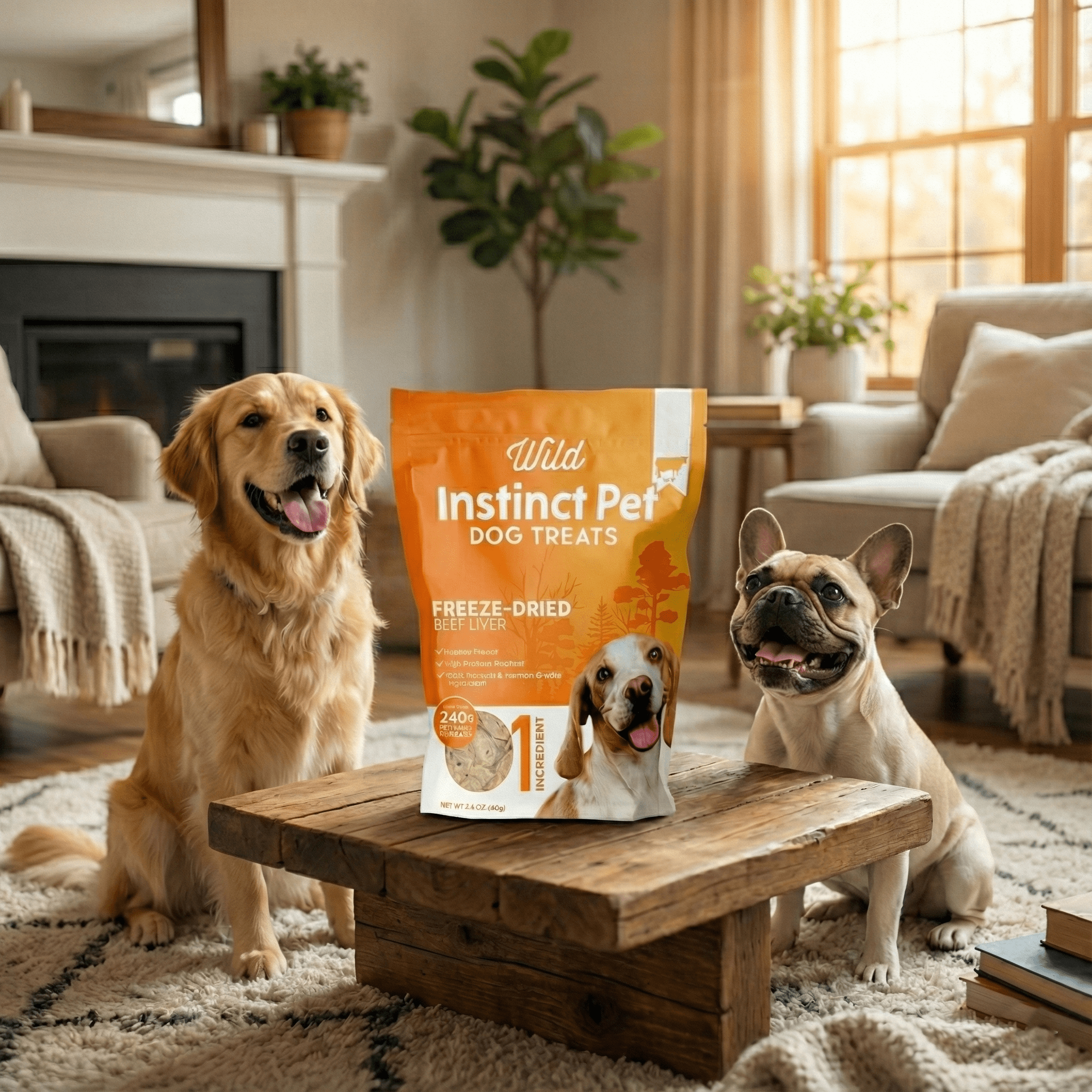
Freeze dried beef liver treats for dogs |
Firm, porous, can crumble |
Soft outside, slightly chewy center |
Seniors, training, toppers |
|
Turkey liver treats for dogs |
Often lighter, can be brittle |
Quick soak to reduce dryness |
Small dogs, sensitive mouths |
|
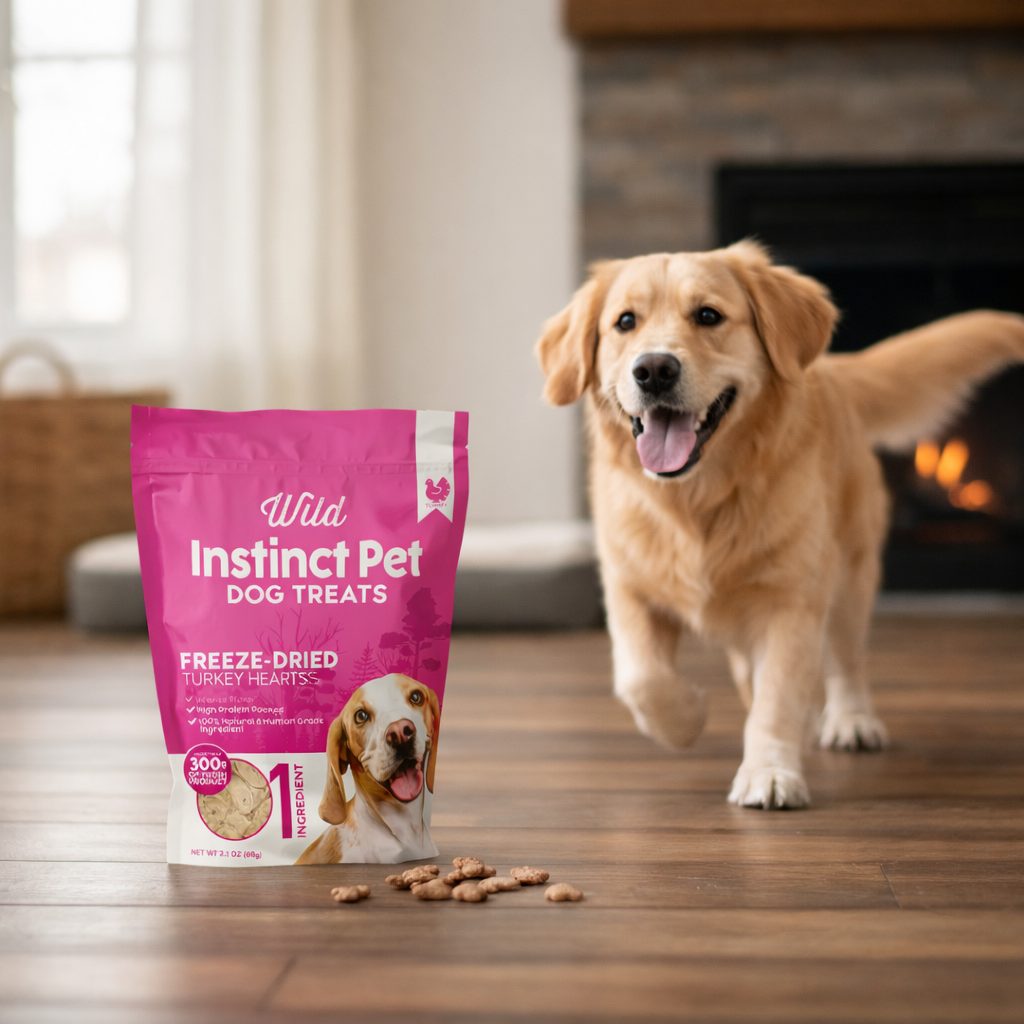
Freeze dried turkey hearts |
Chewy chunks, swallowable if whole |
Soften edges, then cut |
Gulpers, toy breeds |
|
Dried beef lung for dogs |
Airy, crisp, crumbly |
Light mist or brief dip |
High-frequency training |
Nutrition realities: what rehydration changes and what it does not
Owners often assume rehydration changes nutrient density. It changes concentration per bite, not absolute nutrients. If you add water, the treat becomes larger and softer, but the protein, fat, vitamins, and minerals are essentially unchanged.
Calories still count, especially with liver
Organ treats are nutrient-rich, but they are still treats. Liver contains high levels of vitamin A, copper, and other micronutrients. Treat overuse can unbalance the overall diet.
Use the 10% rule: Keep treats at 10% or less of daily calories for nutritional balance. This guideline is broadly used in veterinary nutrition education (Tufts Cummings Veterinary Nutrition Service, ongoing guidance; widely cited through 2020s). If your dog needs 900 kcal per day, treats should stay around 90 kcal.
Hydration does not fix quality issues
Rehydration cannot compensate for poor sourcing, weak pathogen controls, or unclear labeling. In 2026, transparency is a major purchase driver. Look for brands that publish:
What is changing in 2026: trends, expectations, and smarter feeding
May 2026 pet nutrition is shaped by two forces: premiumization and proof. People still want “simple,” but they want verification.
Trend 1: single-ingredient treat demand keeps rising
Single-ingredient claims have grown across premium treat shelves because they map to allergy management and “clean label” buying behavior. Industry reporting continues to show sustained growth in natural and functional pet treats across North America (APPA industry reporting, 2024 to 2025). Owners are using items like freeze dried turkey hearts and turkey liver treats for dogs as limited-ingredient options during elimination trials.
Trend 2: smaller formats and “micro treats” for training
Brands are responding to calorie control and safer chewing by offering smaller bite sizes. This reduces the need for rehydration in many cases because the piece is less likely to lodge in the throat. It also helps owners keep treats under the 10% threshold without feeling stingy.
Trend 3: tighter scrutiny on pathogen controls and handling
Regulatory attention on raw and minimally processed pet foods has remained high through the mid-2020s, driven by intermittent outbreaks and consumer complaints. Even when brands meet standards, home handling is where mistakes happen. Rehydration makes handling more similar to fresh food. That means time, temperature, and bowl hygiene matter more.
Trend 4: “hydration-forward” feeding for cats and seniors
Moisture support has become a major education theme, especially for cats. Many owners now use freeze-dried organ treats as toppers, then add warm water to create a broth-like aroma. This is a practical bridge between dry feeding and wet feeding.
Real-world scenarios: what to do based on your dog
Scenario A: 10 lb dog that coughs after treats
Rehydrate, then cut pieces to pea-size. Feed one at a time. If coughing persists, stop treats and consult your vet to rule out tracheal sensitivity or airway disease, which is more common in small breeds.
Scenario B: 70 lb dog that inhales everything
Rehydration alone may not help. Use larger, safer delivery systems: scatter feeding, snuffle mats, or training with tiny crumbs. If you use hearts, slice them thin after a brief soak so they cannot be swallowed whole.
Scenario C: senior dog with dental disease
Rehydrate fully until the treat is soft enough to crush between fingers. Focus on organ treats as toppers rather than crunchy rewards. Schedule a dental exam since dental pain is a major driver of gulping and food avoidance.
Scenario D: dog with suspected food sensitivities
Single-ingredient treats like freeze dried turkey hearts or turkey liver treats for dogs can support a limited-ingredient plan, but only if the protein matches your elimination trial rules. Rehydration is fine, but avoid mixing with other foods that can contaminate the trial.
Conclusion
Rehydrating freeze-dried treats is not a trend. It is a practical safety and comfort tool when the dog in front of you needs it.
If you want a cleaner, nature-forward approach to rewarding your dog with transparent ingredients, build your treat routine like you build your dog’s health. Simple. Measured. Consistent.
If your dog coughs, gulps, or has a history of GI sensitivity, ask your veterinarian whether rehydrating or resizing treats is the right move for their anatomy and health profile. And if you want help choosing the right single-ingredient format for your dog’s size and lifestyle, contact Wild Instinct Pet for personalized guidance.
Frequently asked questions
Should I rehydrate freeze dried beef liver treats for dogs every time?
Not always. Healthy adult dogs that chew well can usually eat them dry. Rehydrate if your dog gulps, is very small, has dental pain, is a senior, or you want to use the treat as a topper or mash.
How long should I soak freeze-dried treats before feeding?
Most pieces soften in 30 to 120 seconds with warm water. Dense chunks may need longer. The goal is a texture your pet chews instead of swallows whole.
Can rehydrated treats cause diarrhea?
Water itself does not cause diarrhea, but overfeeding rich organ meats can. Liver is nutrient-dense and can trigger loose stool if introduced too fast. Start with small amounts and keep treats under about 10% of daily calories.
Is dried beef lung for dogs better fed dry or rehydrated?
It is often easiest and safest dry in tiny pieces for training. If your dog coughs on crumbs or has throat sensitivity, a quick mist or brief dip can reduce dryness. Do not let rehydrated lung sit out, since it absorbs water quickly.
Are freeze dried turkey hearts safe to feed without water?
They can be, but hearts are often chunkier and easier to swallow whole. For small dogs or gulpers, rehydrate briefly and slice. Supervise the first few feedings to see how your dog chews.
Do turkey liver treats for dogs have different risks than beef liver?
Both are organ meats and share the same “rich treat” cautions, especially for sensitive stomachs. The bigger difference is piece density and size by brand. Choose appropriately sized pieces and introduce gradually.
Can I rehydrate freeze-dried treats with broth or goat milk?
You can, but it adds calories and can add sodium depending on the liquid. For most pets, warm water is best and simplest. If you use broth, choose an unsalted, onion-free, garlic-free option made for pets.
How do I store rehydrated freeze-dried treats?
Ideally you do not store them at all. Rehydrate only what you will feed immediately and discard leftovers within 20 to 30 minutes. If you must pause briefly, refrigerate promptly in a sealed container and use within 24 hours, then discard anything uneaten.
Do vets recommend rehydrating freeze-dried treats?
Many veterinarians recommend it for pets that are prone to gulping, choking, or dental discomfort, and for adding moisture to the diet. It is not mandatory for every pet. The recommendation depends on chewing behavior, health status, and handling hygiene.
What is the safest way to feed freeze-dried treats to a puppy?
Start small and supervised. Rehydrate to soften, then offer tiny pieces so the puppy learns to chew. Avoid large chunks and keep training portions modest to prevent stomach upset.
